
Research
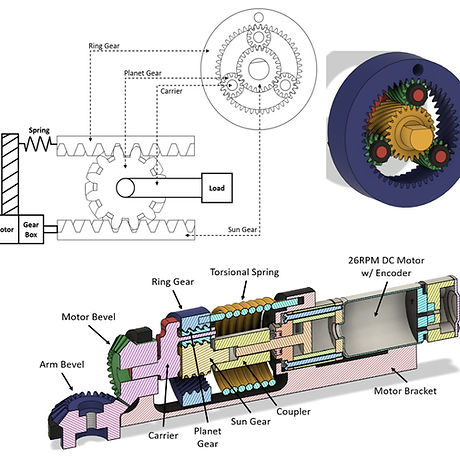
Compliant Systems for Assistive Robotics
Compliant systems enhance the organic feel of assistive robotics like exoskeletons. By utilizing the OpenSEA (Series Elastic Actuator), these systems achieve improved human-robot synergy, paving the way for advancements in wearable neurorehabilitation.
Rehabilitation Exoskeletons
Assistive devices designed to support rehabilitation strategies in volitional movement. Novel brain-machine interfaces used to create an adaptive user experience with biomimetic sensory-motor regulation


High Density Sensors for Advanced Neuromuscular Control Applications
High-density sensors are a catalyst for innovation in assistive robotics, medical diagnostics, and personalized healthcare. Leveraging our lab’s patented advancements in bioimpedance and biopotential sensing, we are redefining how data-driven applications interact with the human body.
Wearable Hardware Development for Telerehabilitation
Development of state-of-the-art telemedicine technologies to improve the quality of out-patient care in post-stroke neurorehabilitation. Wearable systems that improve patient-therapist interaction and reduce resource requirements have the potential to transform the landscape.


